
How to Write a Research Review Article

[Your Research Review Article Title Here] By: [Your Name/Author Team] | [Your Affiliation] | Date: [Current Date] Abstract Provide a concise summary of your rev...
[Your Research Review Article Title Here]
By: [Your Name/Author Team] | [Your Affiliation] | Date: [Current Date]
Abstract
Provide a concise summary of your review's purpose, search strategy, key findings/themes, and conclusions. Typically 150-300 words. Describe the significance of the topic and the primary outcomes of your analysis of the literature.1. Introduction
1.1 Background and Significance
Introduce the general topic and its importance within the field. Explain why this area of research is relevant and what foundational knowledge readers should have.1.2 Problem Statement and Rationale
Clearly state the specific research problem or gap that your review aims to address. Explain why a review of the existing literature on this topic is necessary at this time (e.g., conflicting results, new methodologies, rapid advancements).1.3 Aims and Objectives
- To [Objective 1]
- To [Objective 2]
- To [Objective 3]
2. Methods
2.1 Search Strategy
Detail the databases searched (e.g., PubMed, Scopus, Web of Science), keywords used (e.g., "CRISPR-Cas9 AND cancer therapy"), Boolean operators, and the date range for your search.2.2 Inclusion and Exclusion Criteria
- Inclusion: Peer-reviewed articles, English language, human studies, published between [Year] and [Year], specific intervention/outcome.
- Exclusion: Conference abstracts, review articles (unless specifically for background), animal studies, non-peer-reviewed literature.
2.3 Data Extraction and Quality Assessment
Explain how data was extracted from selected articles (e.g., author, year, methods, key findings). If applicable, describe any quality assessment tools used (e.g., PRISMA, CASP checklists).2.4 Synthesis Approach
Describe how the extracted data and findings were analyzed and synthesized (e.g., narrative synthesis, thematic analysis, meta-analysis if quantitative).3. Findings / Discussion
3.1 Theme 1: [Emerging Trend/Specific Aspect]
Discuss the first major theme or area of research identified from the literature. Synthesize findings from multiple studies, highlighting agreements, disagreements, and key insights. Use in-text citations diligently.Figure 1: [Brief Caption explaining the figure content. This could be a diagram of a process, a visualization of data trends from multiple studies, or a conceptual model.]
3.2 Theme 2: [Another Key Area or Debate]
Continue with subsequent themes, building a coherent narrative that critically analyzes the literature. Explain inconsistencies, methodological variations, and theoretical advancements.3.3 Critical Appraisal of Current Research
Beyond individual studies, critically evaluate the overall landscape of research in this area. Are there common methodological flaws? Over-reliance on certain populations? Biases? What are the overarching strengths?4. Gaps and Future Research Directions
Based on your comprehensive review, clearly articulate the unanswered questions, under-researched areas, or theoretical lacunae that current literature has not adequately addressed.4.1 Unanswered Questions
- [Question 1]
- [Question 2]
- [Question 3]
4.2 Methodological Recommendations
Suggest specific methodological approaches (e.g., longitudinal studies, mixed methods, specific experimental designs) that could help address the identified gaps.5. Conclusion
Summarize the main findings and contributions of your review. Reiterate the significance of your work for theory, practice, or policy. Briefly mention any limitations of your own review process (e.g., limited database access, scope limitations).References
|
Togre, Namdev S., Priyanka S. Bhoj, Naveen Mekala, Rebecca Hancock, Jayshil Trivedi, and Yuri Persidsky. "Purinergic and extracellular vesicle signaling in alcohol-induced blood–brain barrier breakdown and neuroimmune activation." Brain, Behavior, and Immunity (2025): 106115. |
Related Articles
 Career path
AICTE Pragati Scholarship 2026-27: For Girls
Girls in AICTE-approved degree and diploma courses can get ₹50,000 a year. The last date to apply on NSP is 31 October 2026.
 Career path
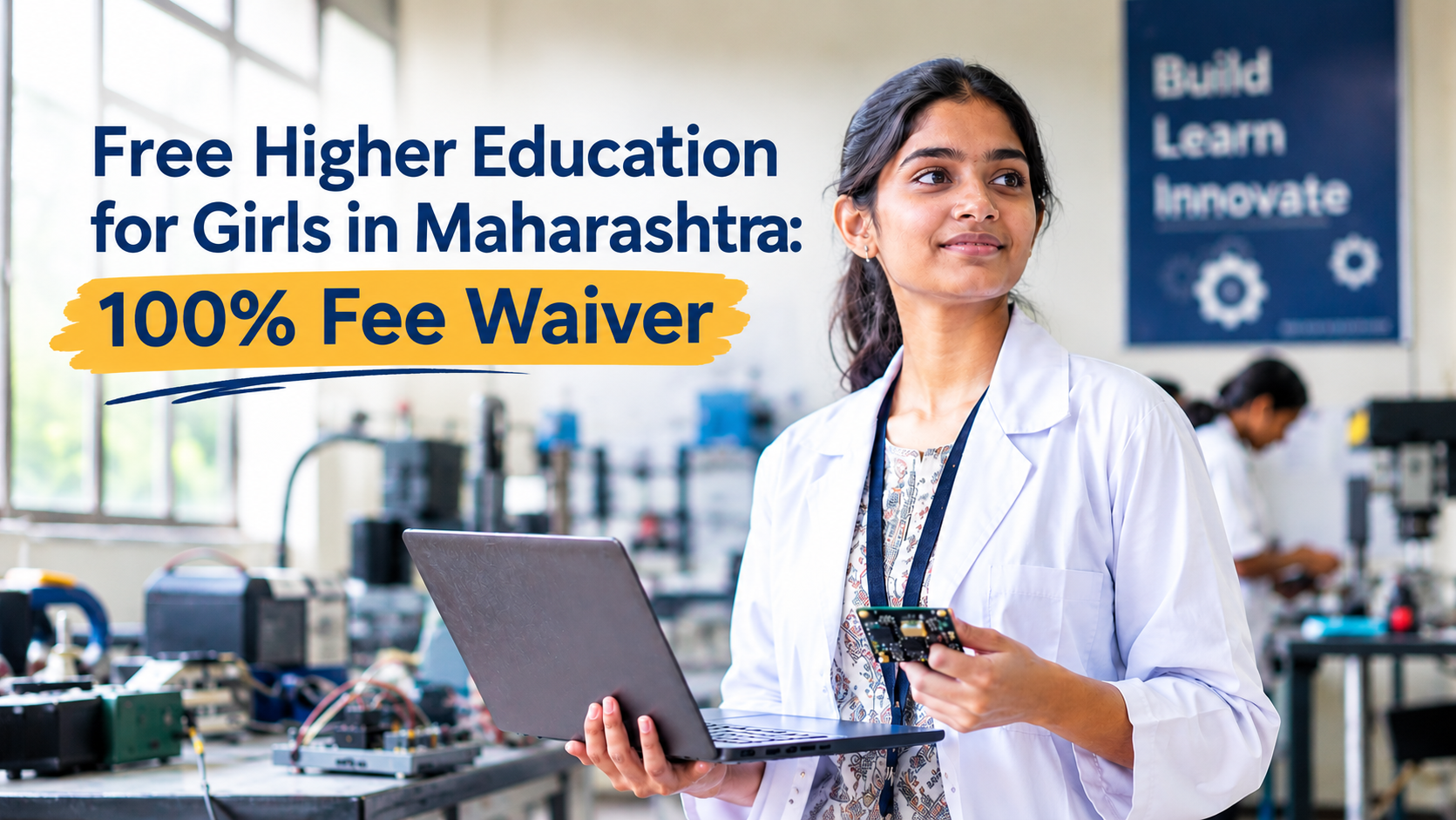
Free Higher Education for Girls in Maharashtra: 100% Fee Waiver and How to Apply on MahaDBT 2.0
Maharashtra pays 100% of tuition and exam fees for eligible girls in professional courses. Here is who qualifies and how to apply on MahaDBT 2.0.
 Career path
Boys' Education Roadmap: India and Abroad
A roadmap for boys in India, from LKG to postdoctoral research: schools, scholarships, internships, fellowships, and study abroad. Download the full PDF.